- Call For Appointment: 07455 029398
- info@drshahhomeopathic.co.uk
- 89 King Street Dundee DD1 2JY, Scotland, UK

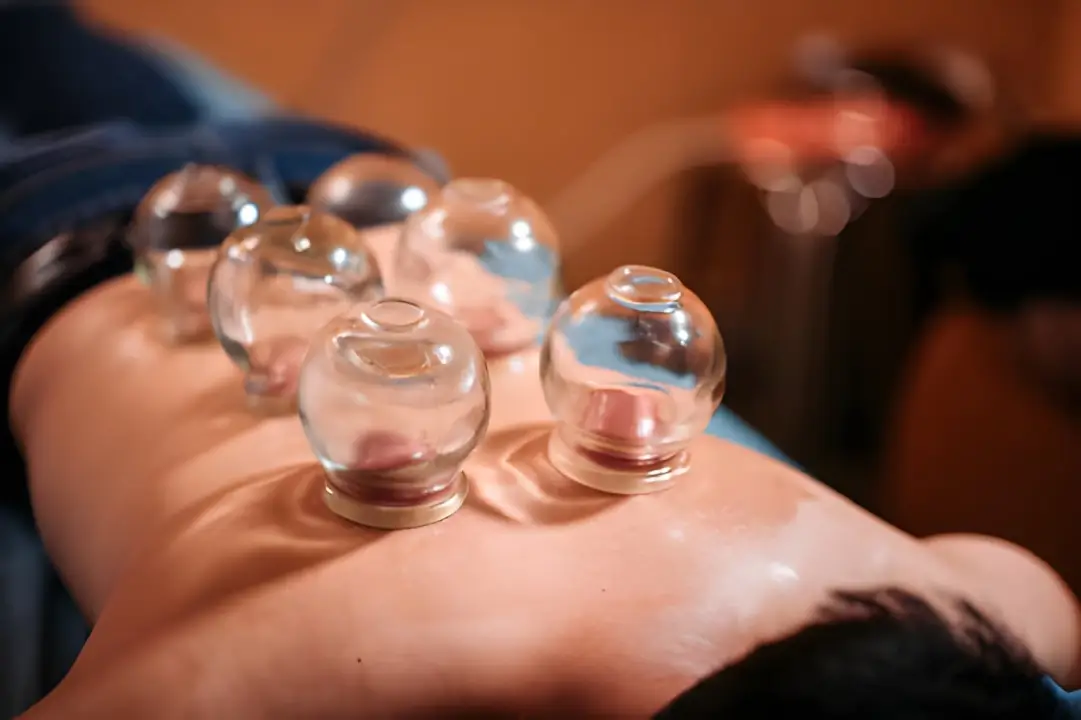
Cupping therapy is a traditional healing method that has been used for centuries to help manage pain and improve overall well-being. During this treatment, a trained practitioner places specially designed cups on areas such as the back, abdomen, arms, legs or other parts of the body. These cups create a controlled suction effect that gently lifts the skin and underlying tissues.
The suction is believed to enhance blood circulation, ease muscle tightness and support the body’s natural healing response.
This therapy originated in China and West Asia and has been practiced for thousands of years as part of traditional medicine systems.
Cupping therapy is also commonly referred to as cupping, cup therapy or suction cup therapy.
Bioenergetic testing is a modern assessment approach that evaluates how your body responds to a wide range of energetic informational signatures. These responses help identify potential imbalances that may be influencing your physical, emotional, or overall wellbeing.
Rather than focusing only on symptoms, this method supports a broader, holistic understanding of your health patterns allowing us to guide your treatment with greater clarity and confidence.
Each session is carefully conducted and interpreted by Dr. Shah, ensuring your results are meaningful and aligned with your overall wellness goals.
Cupping therapy works by creating suction on specific areas of the body, which helps increase or redirect blood flow. This process is commonly used to relieve pain and muscle tension. Many people choose cupping therapy to manage conditions that cause discomfort, while some also use it to support long-term (chronic) health concerns.
Cupping therapy may help reduce symptoms associated with:
It is often used as a supportive therapy to promote comfort and overall wellness.
Cupping therapy works by creating suction on targeted areas of the body, but experts are still studying exactly how it helps relieve pain and other symptoms. Research on the therapy is limited, yet many believe the suction provides therapeutic benefits.
The suction draws fluid into the treated area, which expands and temporarily breaks small blood vessels (capillaries) beneath the skin. This process encourages fresh blood flow, supports natural healing at the cellular level, and may help the body remove metabolic waste. Some proponents also suggest that cupping helps release toxins.
Cupping can be performed using different techniques, and the procedure may vary slightly depending on the method. Typically, the practitioner leaves the cups in place for several minutes. In some cases, the cups are gently moved to massage and stretch the affected area.
Common cupping methods include:
During a session, multiple cups are often applied at once typically three to five, though up to seven may be used. It is uncommon to use more than seven cups in a single treatment.
This method is designed to improve blood flow, relieve tension, and promote the body’s natural healing processes.
Cupping therapy typically involves the use of glass or plastic cups, which are the most common. However, practitioners may also use cups made from:
The choice of cup depends on the practitioner’s technique and the patient’s comfort.
The suction created during cupping temporarily breaks tiny blood vessels (capillaries) under the skin. This results in red, round marks that resemble bruises but do not damage muscle tissue. These marks typically fade within one to two weeks.
Cupping is generally not painful. You may feel a sense of skin tightness during the procedure, and mild soreness or tenderness can occur afterward. Severe pain is uncommon.
Cupping therapy can be performed by trained healthcare providers, including:
These practitioners receive specialized training to ensure the therapy is performed safely and effectively.
Many people who undergo cupping therapy report the following benefits:
Cupping therapy is generally considered low-risk, but some side effects may occur, including:
In rare cases, cupping, particularly wet cupping, may trigger vasovagal syncope, causing fainting due to a sudden drop in blood pressure and heart rate. This is more likely in individuals who are prone to fainting from needle-related procedures.
Cupping therapy is not recommended for everyone. Because its effects on pregnancy are not well understood, pregnant individuals should avoid cupping. It is also advised to avoid cupping if you have:
Although cupping is generally low-risk, it may not be safe for everyone. Always consult your healthcare provider before trying cupping or any alternative therapy.
The effectiveness of cupping therapy is still under study, and evidence is mixed. Experts suggest that its benefits may come from a combination of factors rather than a single mechanism.
Cupping may help to:
Most healthcare providers recommend cupping as a complementary therapy, meaning it should be used alongside conventional Western medicine rather than as a standalone treatment.
You should reach out to your healthcare provider after cupping therapy if you experience:
If you are considering cupping therapy, these questions can help guide your discussion:
Cupping therapy has been practiced for thousands of years to help relieve pain, headaches and various other health concerns. Although scientific evidence is still evolving, many individuals experience relief and improved well-being with this therapy.
Cupping is generally considered a low-risk treatment when performed by a trained professional. However, it is important to consult a qualified healthcare provider before starting cupping or any alternative therapy.
At Dr Shah Homeopathic Health Clinic, we focus on providing safe, professional and personalized care to ensure the best possible outcomes for our patients.